
Utilizing AI for Your Marketing: A Game-Changer in the Digital Age
In the ever-evolving landscape of digital marketing, Artificial Intelligence (AI) has ceased to be just a buzzword. It's now at the forefront, driving a paradigm shift in how businesses connect with their audience, optimize campaigns, and maximize ROI. The potential of AI transcends the boundaries of traditional marketing, offering tools and insights previously thought unimaginable. Let's delve deep into understanding how AI can be a linchpin for your marketing endeavors.
Understanding the AI Revolution in Marketing
Artificial Intelligence, in layman's terms, refers to machines or software mimicking cognitive functions akin to the human mind—like learning, reasoning, and problem-solving. In marketing, AI analyzes data and trends, makes predictions, and even takes action based on what it learns.
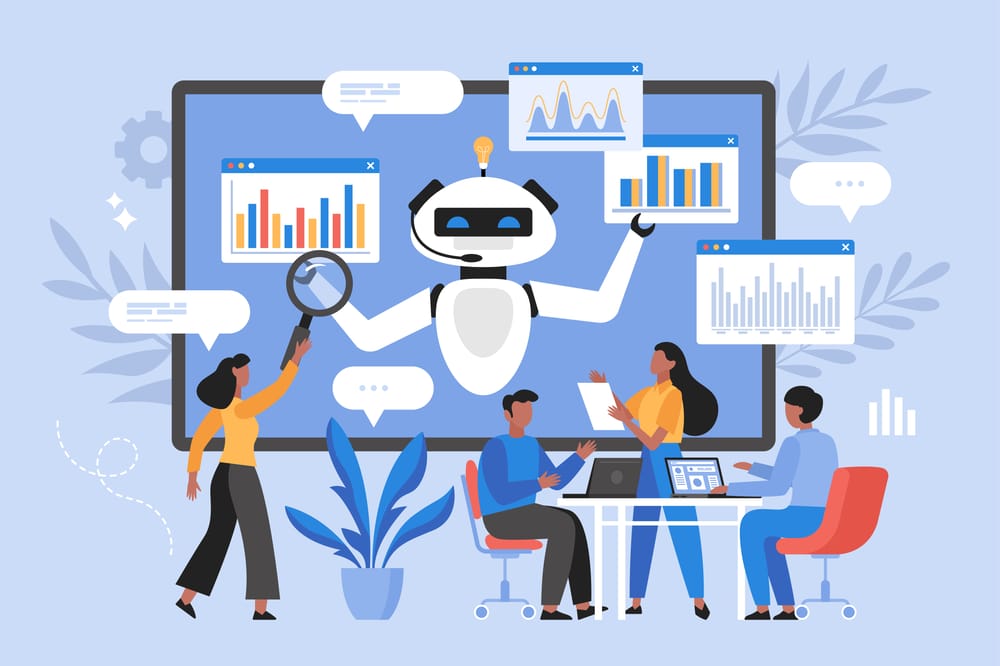
Here's a snapshot of its transformative potential:
Data Analysis at Scale: Manually sifting through enormous volumes of data for insights is near-impossible. AI can analyze vast datasets quickly, identifying patterns, trends, and anomalies.
Personalization: AI enables tailoring of content, products, and communications to individual preferences and behaviors, creating a more personalized user experience.
Predictive Analysis: With AI, it's possible to forecast future consumer behavior, helping businesses anticipate trends and act proactively.
Implementing AI in Your Marketing Strategy
1. Customer Insights and Segmentation
Chatbots and Virtual Assistants: These AI-driven interfaces interact with users in real-time, answering queries, guiding product choices, and gathering valuable feedback. Over time, they learn from these interactions, refining their responses and providing deeper insights into customer behavior and preferences.
Behavior Analysis: AI can analyze a user's browsing pattern, click-through rates, and purchase history, segmenting your audience more accurately. This allows for better-targeted campaigns.
2. Content Creation and Curation
Automated Content: Believe it or not, many news outlets use AI to generate reports, especially for data-intensive topics like financial news or sports scores. While it might not replace human creativity, it can supplement content strategies, especially for repetitive, data-driven tasks.
Content Recommendations: Platforms like Netflix or Spotify use AI to recommend shows, movies, or songs based on user behavior. Similarly, AI can suggest articles, products, or services to website visitors, increasing engagement and potential conversions.
3. Email Marketing Optimization
Personalized Campaigns: Tools like Phrasee or Boomtrain employ AI to tailor email content to individuals, resulting in higher open and click-through rates.
Optimal Timing: AI can predict when a recipient is most likely to open an email, ensuring that your message lands at the top of their inbox at just the right moment.
4. Digital Advertising
Programmatic Advertising: Platforms like Google Ads or Facebook Ads use AI to automate the decision-making process of ad buying, targeting users more precisely and at optimal times.
Optimizing Ad Spend: AI tools can analyze which channels provide the best ROI, reallocating budget in real-time to maximize results.
5. Enhancing User Experience
Visual Recognition: Platforms like Pinterest use visual search capabilities, allowing users to find products or services similar to an uploaded image.
Voice Search Optimization: With the rise of voice-activated assistants like Siri, Alexa, or Google Assistant, optimizing for voice search is crucial. AI can analyze voice search queries and patterns, providing insights to refine SEO strategies.
Challenges and Considerations
As with all technologies, AI in marketing is not without challenges:
Data Privacy: As regulations like GDPR come into play, marketers need to be cautious about how they collect and use data.
Over-reliance: While AI can provide valuable insights, the human touch—creativity, emotional intelligence, and intuition—remains irreplaceable.
Implementation Costs: AI tools and integration can be costly, especially for small businesses. It's vital to weigh the potential ROI against the initial investment.
Conclusion
Artificial Intelligence is not the future of marketing—it's the present. Its applications are varied, offering enhanced user experiences, data-driven insights, and optimization capabilities previously unattainable with traditional methods.
For marketers willing to embrace AI, the rewards are manifold: increased engagement, higher conversion rates, and a deeper understanding of their audience. While challenges exist, the potential benefits far outweigh the risks.
As we move further into the digital age, the fusion of AI and marketing will only become more pronounced. Businesses that harness this synergy will not only stay competitive but will also set new benchmarks in customer engagement and satisfaction.
Copyright ⓒ 2025 Mike Booth Coaching, a DBA of Booth Ventures, LLC